Performance Studies international (PSi), in collaboration with Performistanbul in İstanbul, Türkiye, invites responses to the call for proposals for the PSi#32 Conference in 2027.
Conference Theme: MEYDAN
PSi#32 will think, discuss, echo and feel around meydan in İstanbul: meydan as a space, an act, a relation, a discourse, and a demand.
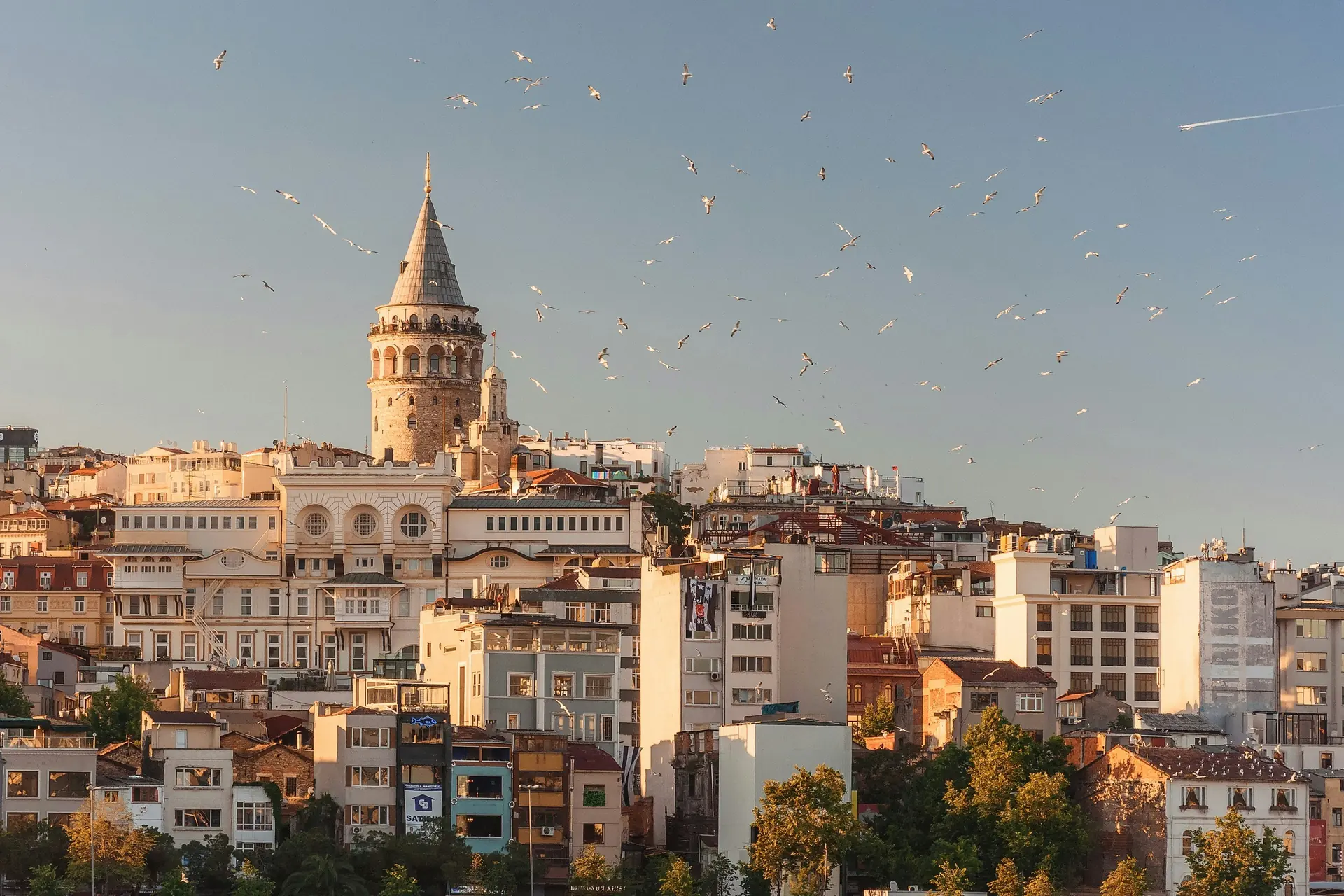
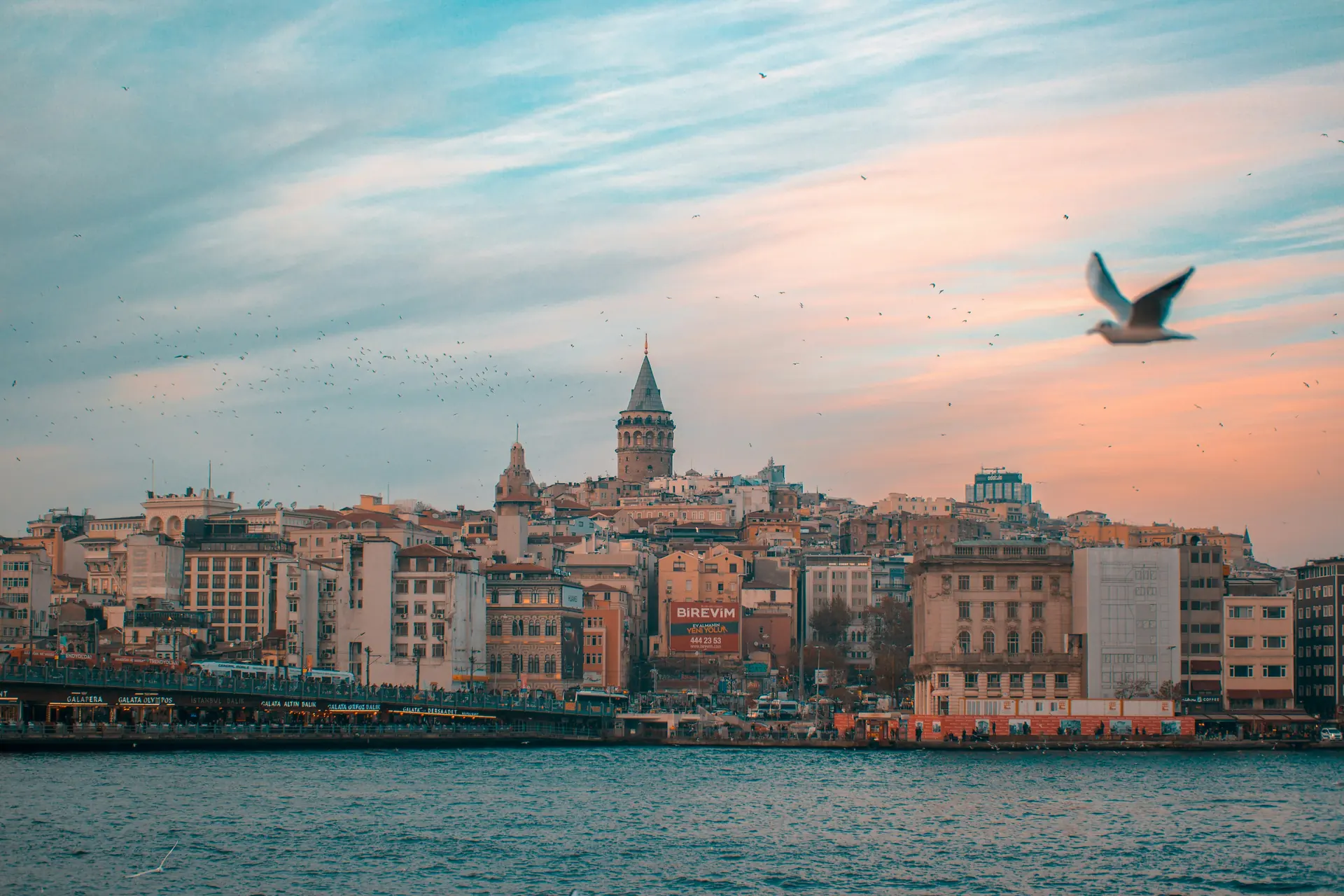
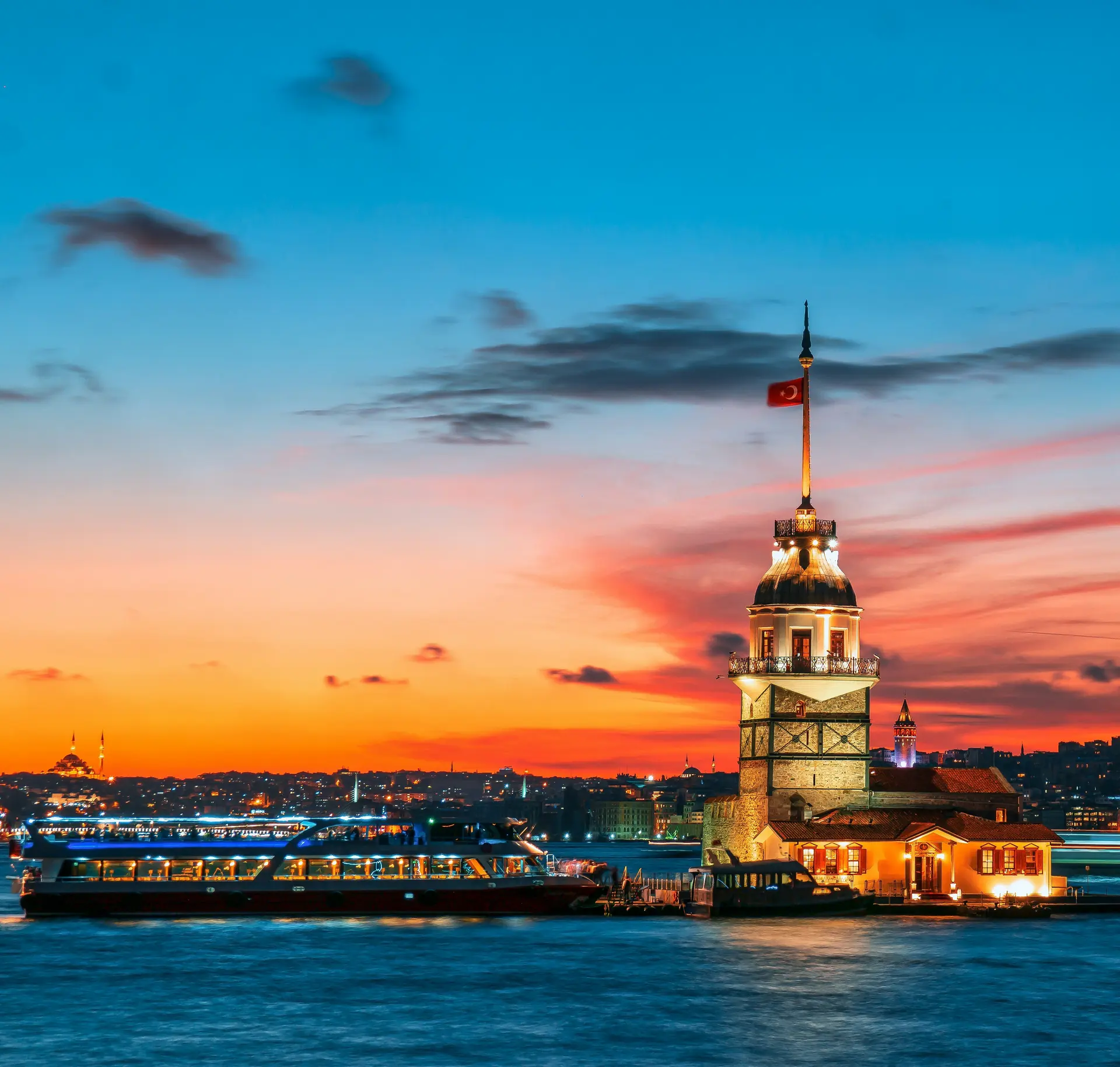
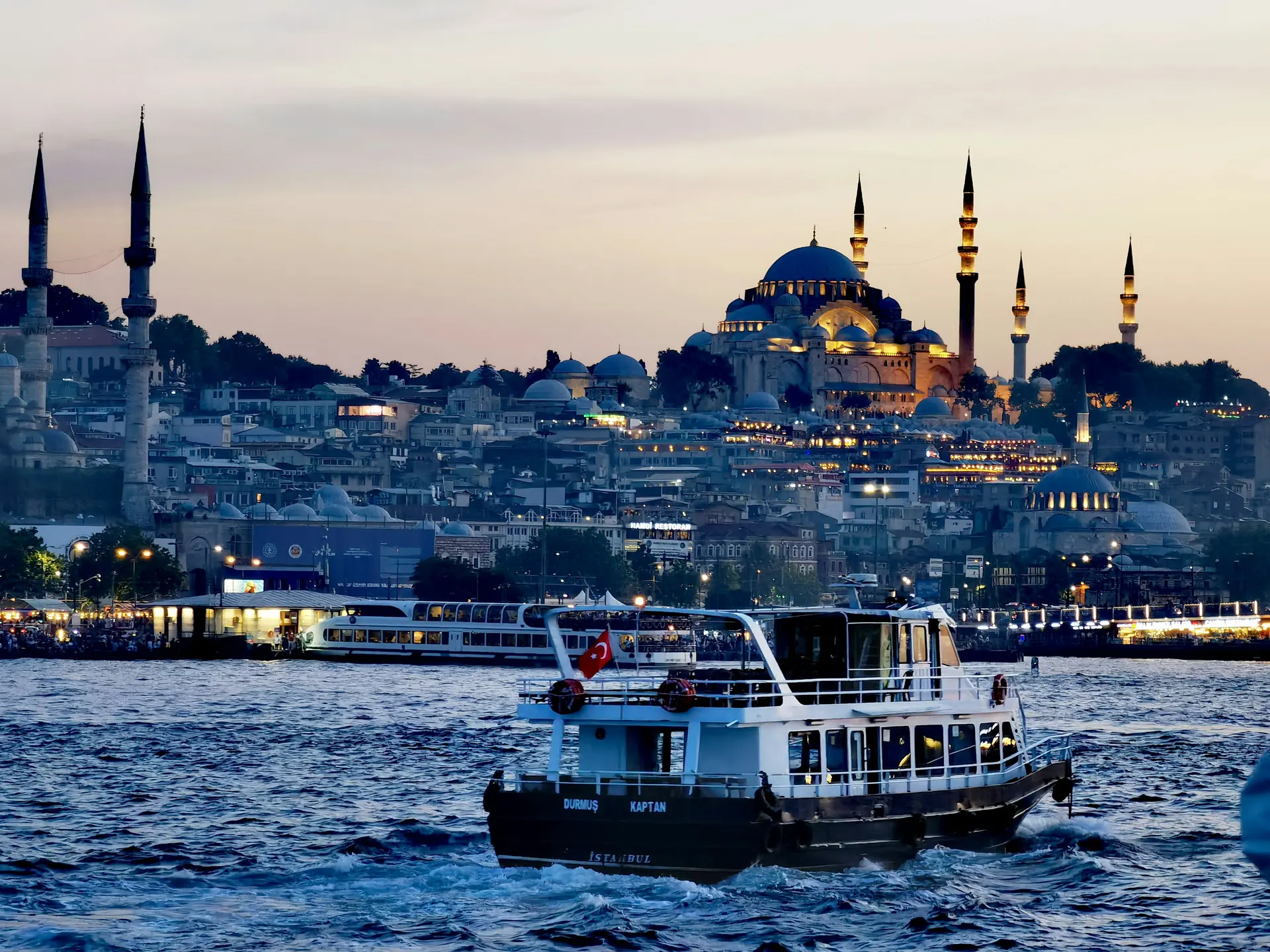
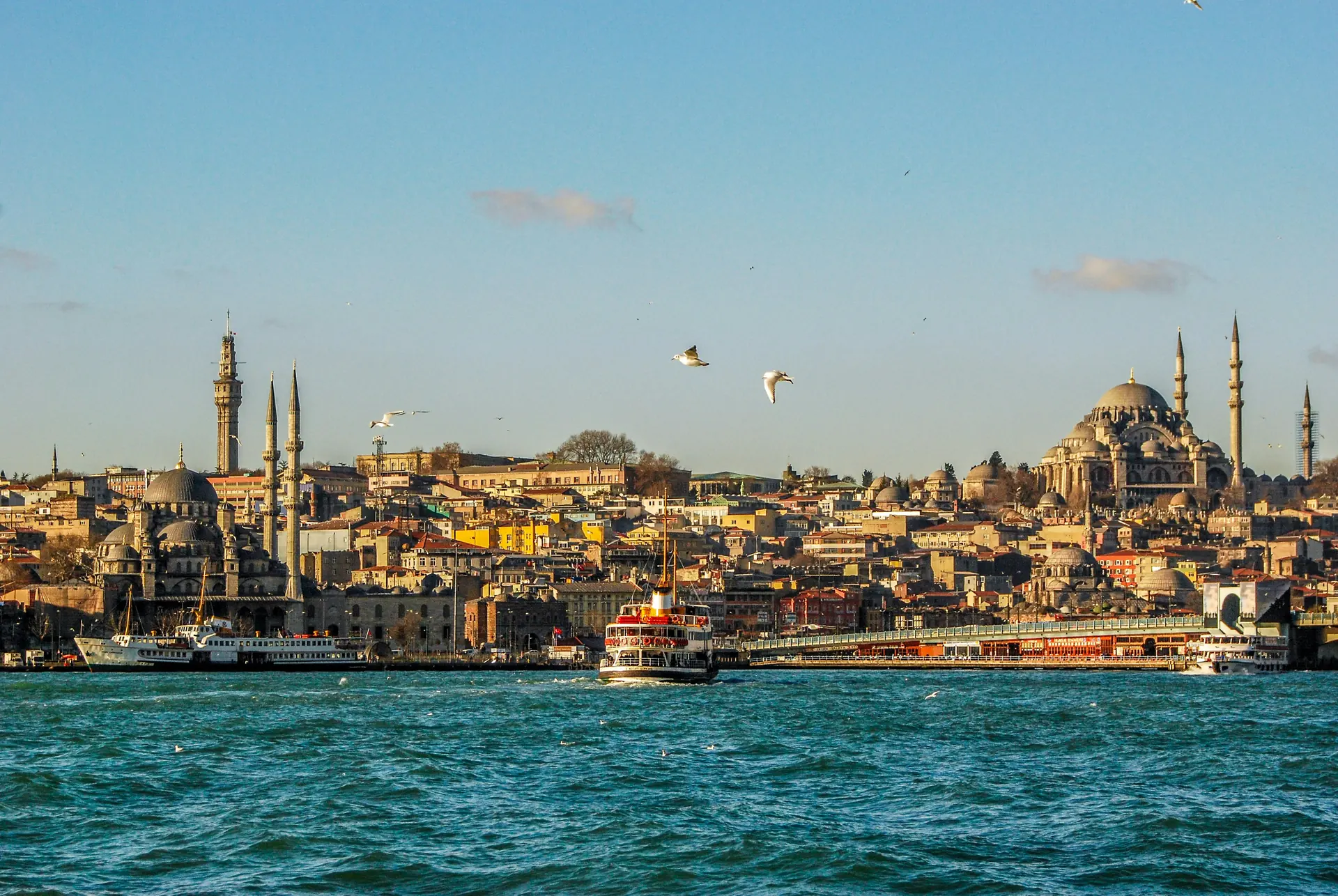
İstanbul carries centuries of empire, migration, and reinvention. It straddles two continents and holds some of the world’s most contested public spaces. Every day, as everywhere, people here claim, contest, and enact their right to the city, to the land. Performistanbul hosts PSi#32, with İTÜ Faculty of Architecture as main partner. İTÜ Taşkışla campus serves as the conference’s principal base, with additional sessions at sites across the city.
Meydan, a word of Farsi origin now shared across Turkish, Kurdish, Arabic, and Farsi, means an open space, a gathering place, a common ground. It has its correspondence across languages and cultures: agora (αγορά) in Greek, forum in Latin, piazza in Italian, Platz in German, square/maidan in English, midan or maydan (ميدان) in Arabic, meydân (میدان) in Farsi, or meydani (μεϊντάνι) in Rumca, each word echoing its own history of gathering, collectivity, and public. In Turkish, meydan lives also in/through its verbs:
Meydana çıkmak:
“çıkmak” literally means “to go out” — revelation, visibility, embodiment, the politics of appearance, and the right not to be seen.
Meydan okumak:
“okumak” literally means “to read” — but its idiomatic force is a direct challenge to power: to defy, to confront, to throw down a gauntlet in open space: dissent as a performance practice: counter-colonial strategies, acts of refusal, and the long histories of bodies that have stood in the square and said no.
Meydana gelmek:
“gelmek” literally means “to come” — emergence, becoming, and performance as a practice of world-making; situated practices (situated knowledges) in fields such as art, design, and architecture that emerge from, and are transformed and constituted through, a particular place and an invitation.
Meydanı doldurmak:
“doldurmak” literally means “to fill” — collective bodies, assembly, and the aesthetics of gathering and of feeling/filling time in transit.
Meydanı terk etmek / meydanı boş bırakmak:
“terk etmek” literally means “to abandon” — withdrawal, absence, and the politics of the empty square as tactical performances and reconfigurations.
Meydanı boş bulmak:
to find the square empty, to seize the unguarded moment: opportunism, timing, and the politics of the opening.
Hodri Meydan:
rooted in the tradition of yağlı güreş — oil wrestling — where wrestlers enter the meydan to openly challenge their opponents, hodri meydan is a provocation thrown into open space: performances and research that confront power, risk visibility, and refuse the safety of the sidelines.
PSi#32 will approach meydan with this linguistic, material, experiential, and performative abundance. PSi 2027 in İstanbul invites: to appear, to meet on shared ground.
A meydan doesn’t stand apart from the urban fabric that surrounds it. Monumental or civic structures define its edges. Natural thresholds frame its openings. The streets and alleyways of the city lead into and out of it. Yet the meydan is not bound to architecture, nor to the city: rural squares, and the periodic meydans of the panayır — the village fair — the market day, the feast. Meydan is the very act of gathering. It harbors human and non-human traces of all sorts. For that reason, each meydan is sedimented with every body that has crossed it, every uprising that has erupted from it, every silence that has been imposed upon it. The meydan, with all its layered complexity, is a collective work of art. No one can replicate it, sell it, or replace it.
The meydan has long served both as marketplace and battlefield. Histories, geographies, and struggles endlessly reassemble its forms and meanings. In Kolkata, colonial military clearance literally gave birth to meydan, later recast as a civic space, ringing it with monuments. The meydan stages surveillance and the performance of authority. Resistance keeps claiming it back. Tehran did not name its iconic meydan Azadi — freedom — by accident, nor did Cairo call its Maydān at-Taḥrīr liberation, nor Azerbaijan its counterpart Azadlıq: these squares were named for what people did in them. Kyiv’s Maidan Nezalezhnosti gave the world a living proof: twice in a generation, bodies held the square against violence and geopolitical weight until the word maidan ceased to be a noun and became an event. And in Buenos Aires, the Madres de Plaza de Mayo demanded an accounting for the disappeared under the dictatorship, so that Plaza de Mayo now names the mothers, not just the ground they stood on. Taksim Meydanı in İstanbul, with multiple histories of resistance, carries a similar charge. The state closed it to demonstration. Close a meydan and you lose more than a space. You lose the collective that formed in it. But you cannot eliminate it, it stays undiminished.
We welcome contributions from broad spectrum of disciplines and practices within performance studies including but not limited to theatre, dance, live art, music, visual arts, anthropology, architecture, literary studies, sociology, cultural studies, philosophy, psychology/psychoanalytic studies, law, the social sciences, and history. We encourage proposals that draw on diverse theoretical, methodological, practice-based, and creative approaches to these themes. As a new commitment to nurturing the field, PSi also welcomes submissions from undergraduate researchers, including early-stage projects, experimental work, and emerging lines of inquiry.
Some potential subthemes:
Meydan as Space of Gathering, Dissent, and Public Life
- Prohibited meydan: meydan as a threat to authority
- The meydan and the body: choreographies of dissent and public space
- Feminist and gender politics in and of the meydan
- Access and Cripping the Meydan
- Queer meydan
- Meydan as Festival: celebration, contest, carnival, and the politics of joy
- Meydan as shelter
Histories, Memory, and the Politics of Place
- Meydan and its ghosts
- Meydan and monuments
- Urban transformation, gentrification, and the disappearing meydan
- Decolonial and Indigenous perspectives on public space and gathering
- Diasporic meydans: migration, displacement, and performance
Beyond Human and Sacred Meydans
- Meydan and animals
- Meydan and temples
- Meydan and the ethics of care
Media, Sound, and Digital Assemblies
- Meydan and sound
- Digital meydans: networked publics, social media, and virtual assembly
- Meydan and surveillance
Aesthetics, Performance, and Commerce
- The meydan and the market: performance, commerce, and spectacle
- Philosophies, aesthetics, and pedagogies of the meydan
- Transcultural encounters and transdisciplinary methodologies in the meydan
New Epistemologies and Methods
- Practice research as meydan: methodologies of collective inquiry
- Practices of learning, transmission, and collective world-making
- Meydan as method: comparative analysis attending to the unequal conditions of gathering across the squares of the world
Submissions
We will accept proposals (in English, Turkish, and other languages spoken in the region) that respond to its many dimensions, histories, and urgencies.
Please submit your proposal using the online submission system by 16 November 2026 at https://www.psi-web.org/psi-32-meydan-call-for-papers/.
Note that you must be a PSi member and logged in to submit. If you aren’t currently a member of PSi, you can sign up here: https://www.psi-web.org/membership.
The annual membership fee is $25 or $50. If your institution is a PSi IM ( institutional member), they may have a membership voucher available for you.
We will ask you to provide:
- Title of the presentation
- Abstract (300-500 words)
- Author(s) name(s) and affiliation(s), if applicable
- Language(s) of the proposal and presentation
- Contact information
- Brief biographical statement (100 words maximum)
- Audiovisual and technical requirements, if applicable
- Any accessibility needs for this submission stage
- Indication of attendance online or in person
We accept the following presentation formats:
- Curated panel presentations and roundtables (of 75 mins)
- Individual papers: in-person (20 mins); online (12–20 mins)
- Performances and/or installations (15–30 mins with minimal to no technical support)
- Laboratory/workshop sessions (30–75 mins)
- Screenings of practice research or performance documentation (10-15 mins)
- Analogue spaces – there will be several spaces without technology that will be available to curate for conversations, dialogues or other interventions
We encourage contributors to approach the form of their presentations and offerings with creativity. As some venues will have limited technical resources, we will ask participants to specify their technical and logistical needs as precisely as possible.
Important Dates:
- Submission Deadline
- 16 November 2026
- Notification of Acceptance
- 28 December 2026
- Conference Dates
- 15-19 September 2027
We will offer a limited number of bursaries to members of the global majority through an application process.
The conference will also happen parallel to the İstanbul Biennial, İstanbul Fringe Festival and Film Screenings & Discussions on Meydan organized by Görültü Collective.
PSi will support a number of participants with a series of awards. We will share more information about these opportunities in November. In the meantime, please visit the PSi website to explore the list of awards that we will announce over the coming months.
Submit your proposalWe look forward to your submissions! We also look forward to introducing you to İstanbul, a city where multiple histories and cultures meet. September offers an especially excellent time to explore İstanbul and to extend your visit beyond the conference. Türkiye’s rich cultural and historical sites remain highly accessible from İstanbul, with many destinations just a one hour flight or several hours by bus away, including Kapadokya, Pamukkale, the Southeastern Anadolu region, Olimpos, Aspendos, Bergama, and Efes. We will share potential itineraries and additional travel suggestions with participants in November, including ideas for extending your stay and exploring other cultural, historical, and archaeological sites across Türkiye.
We hope to — following the conference — plan excursions to Assos, an ancient coastal city, for a post-conference retreat focused on future collaborations. Assos sits on the Aegean coast, right across from the Greek island of Lesbos. In the 1990s, it hosted one of Türkiye’s international performing arts festivals, which gave it a place in the country’s live art history. Today, the region has an active network of cultural associations and NGOs working at the intersection of heritage, ecology, and community.
For further information and updates, please keep an eye out for the PSi newsletter announcing the conference website. Over the next couple of weeks, we will post an extended list of inspirations and resources on our dedicated web page.
If you have any queries, or require additional access support to submit your proposal, please contact the conference organizers directly at psi32istanbul@gmail.com.
If you wish to inquire about future partnerships or conferences with PSi, or have questions not relating to the İstanbul conference, please email VicePresident@psi-web.org.
The PSi#32 Conference Organizing Committee